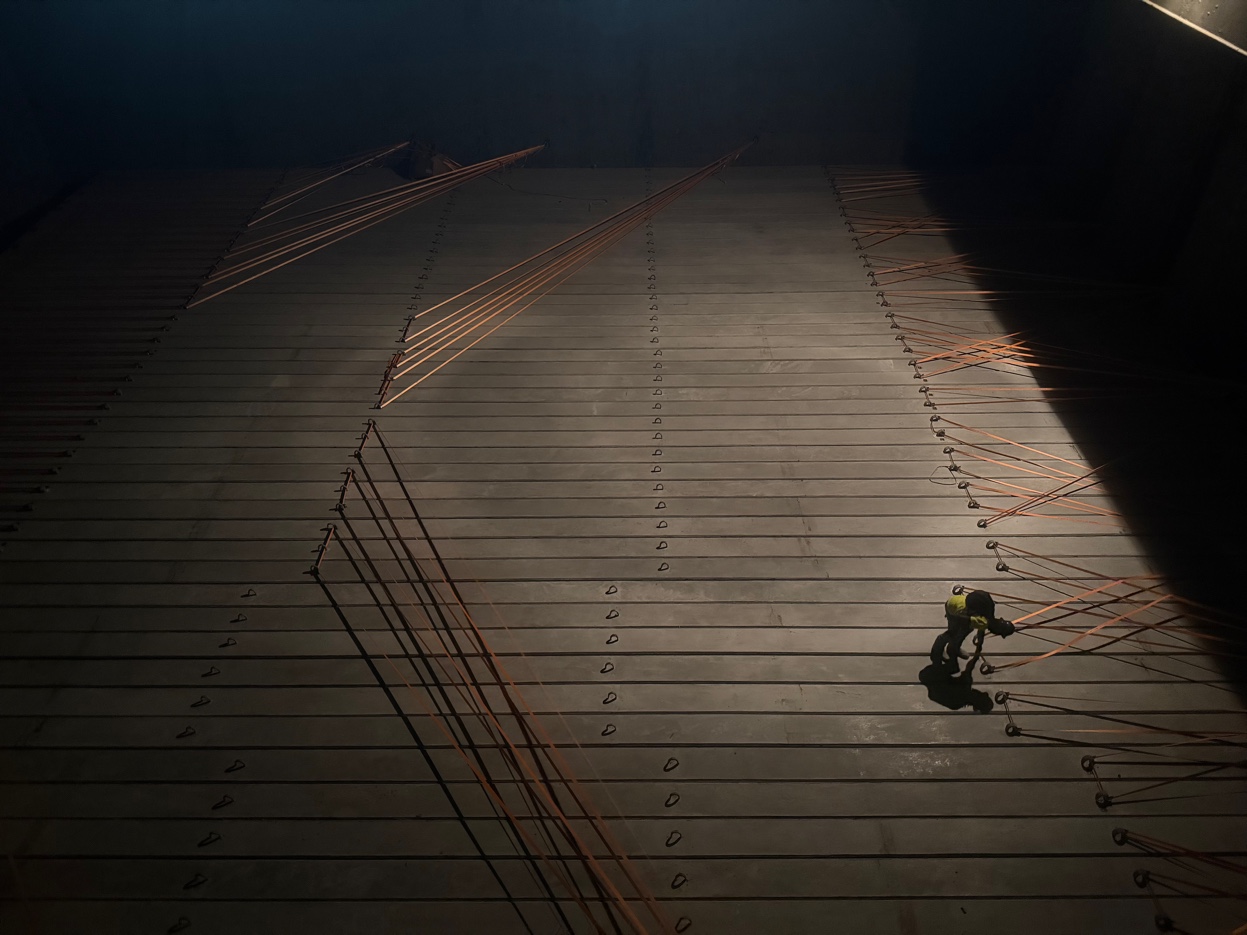
Some jobs go according to plan. And then some jobs show you what's actually possible when the right team, the right equipment, and the right data all align at the same time.
The MV Atlantic Runner II operation at Lake Charles, Louisiana was the second kind.
What looked on paper like a 10–12 day discharge job became a five-day showcase of what GCS Industrial Group can do when experienced crews are backed by real-time operational intelligence. Here's the full story.
The Job
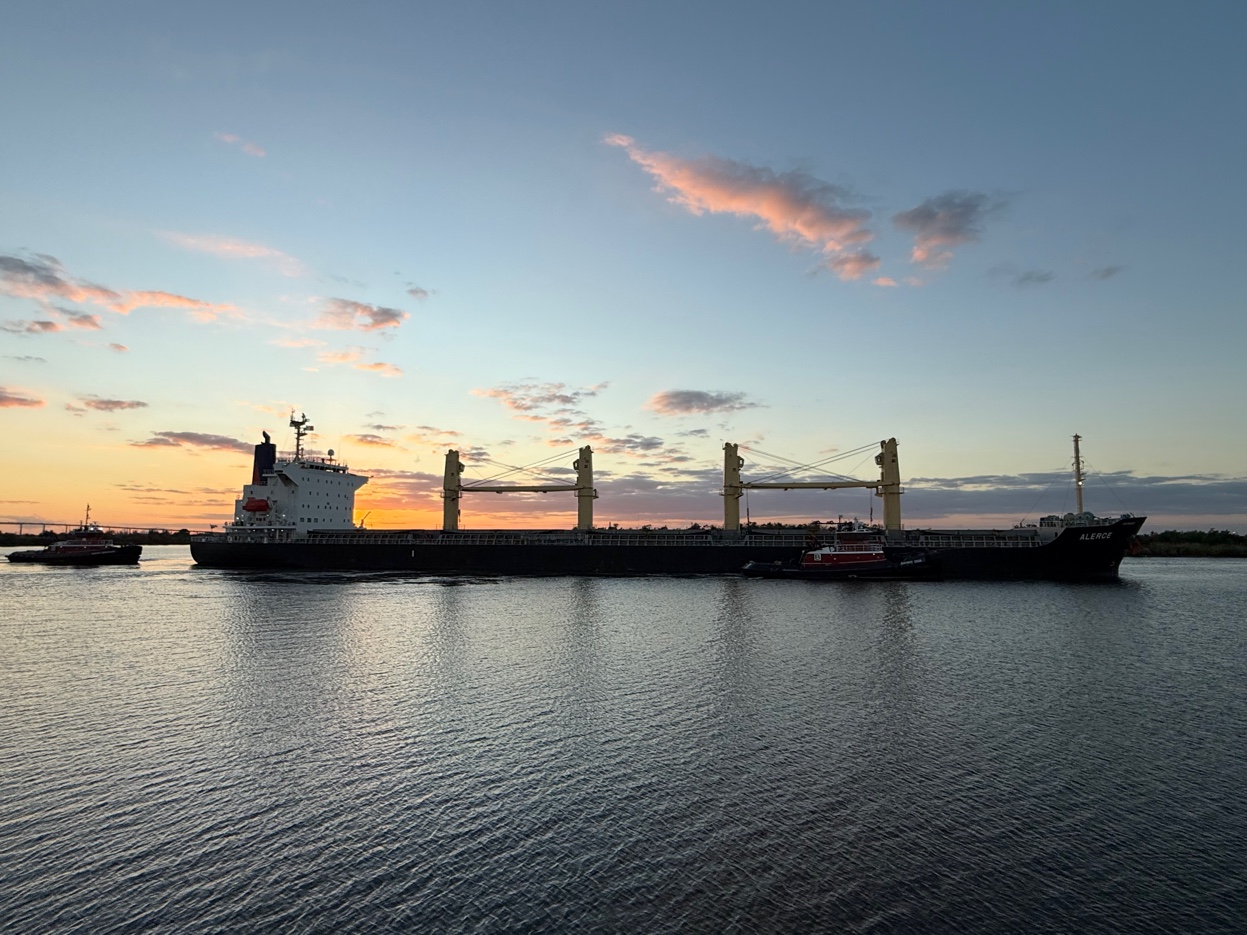
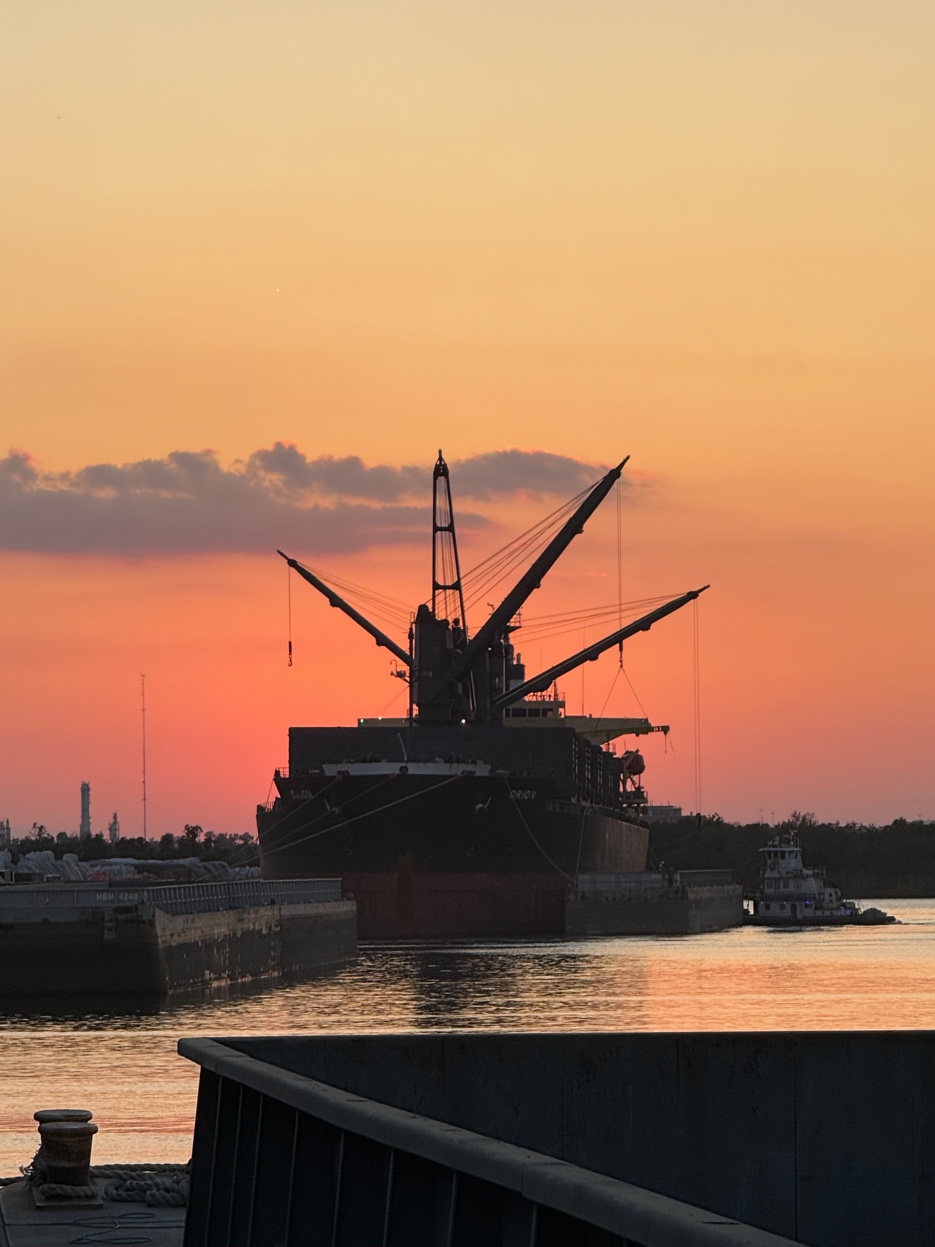
The MV Atlantic Runner II arrived at Lake Charles with a substantial cargo manifest — the kind of load that demands precision planning, a disciplined crew, and tight coordination between every moving piece of the operation.
| Cargo Type | Quantity | Dimensions / Weight | Total Metric Tons |
|---|---|---|---|
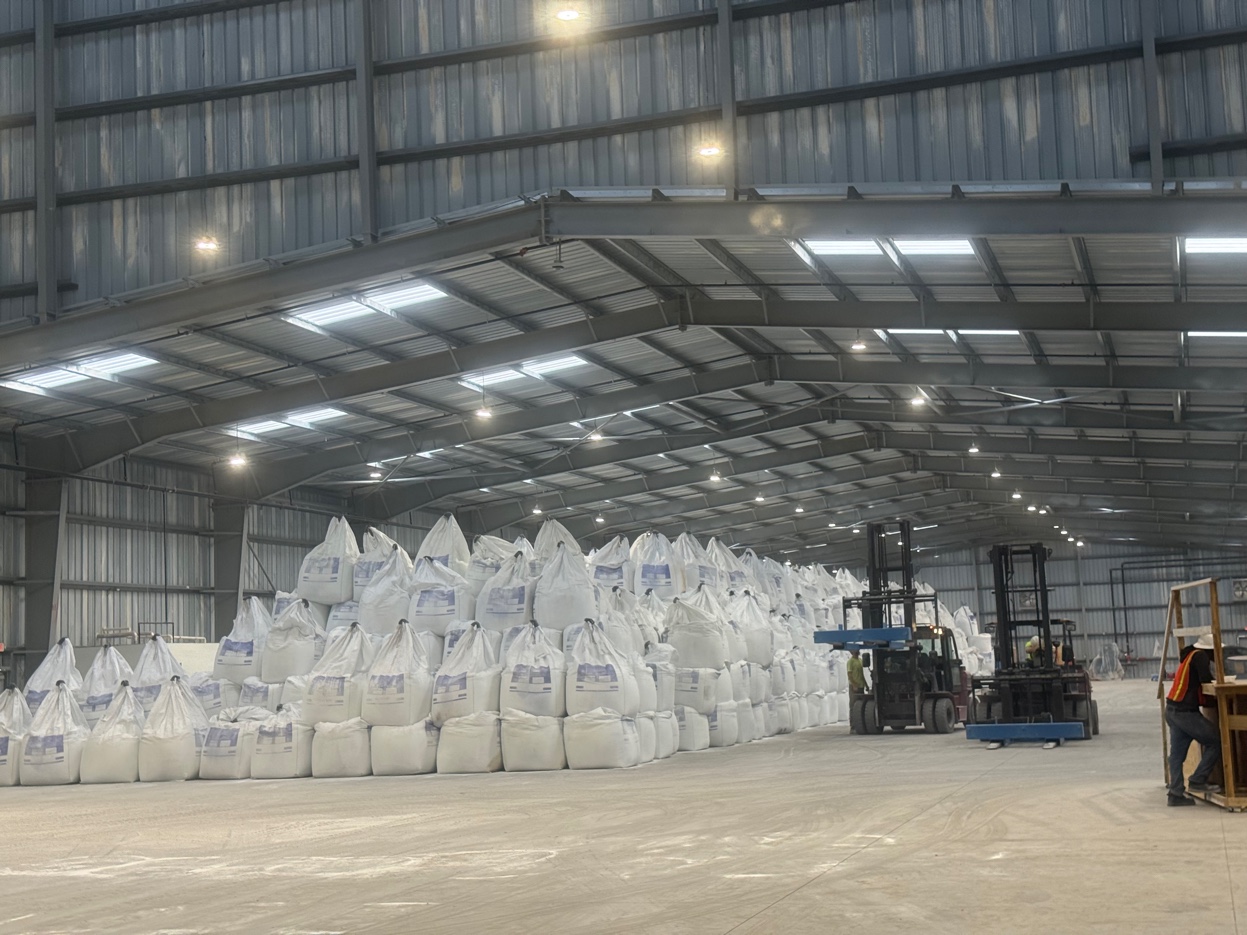
| Concrete Piles | 1,836 piles | 90 feet each | 26,254.8 MT |
| Bulk Cement Bags | 1,334 bags | 1.5 MT each | 2,001 MT |
| Total Cargo | 28,255.8 MT | ||
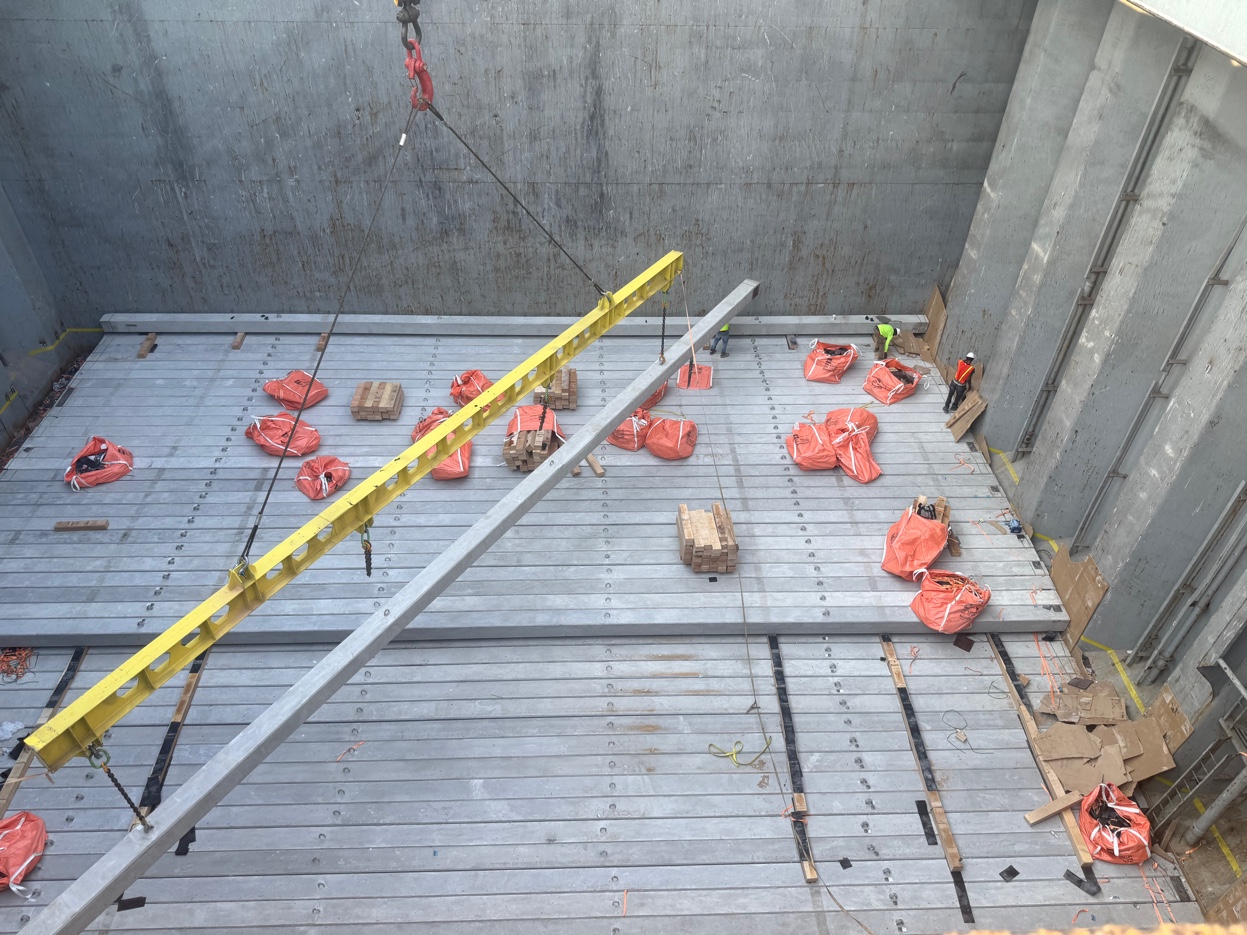
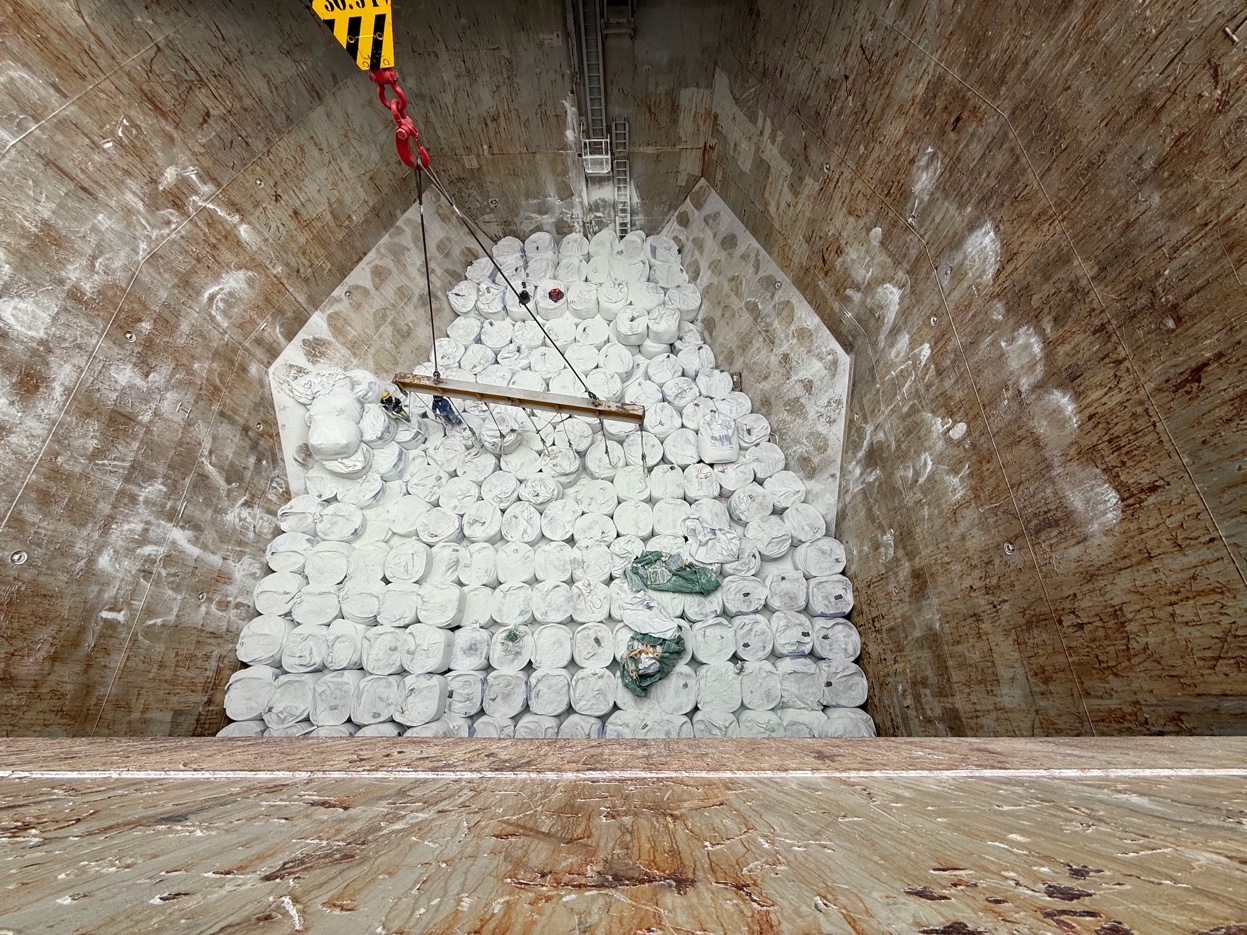
Concrete piles at 90 feet long are not casual cargo. Each one requires careful rigging, precise crane work, and experienced hands to guide safely from ship to dock. Do it 1,836 times and you understand why the original estimate landed at 10–12 days.
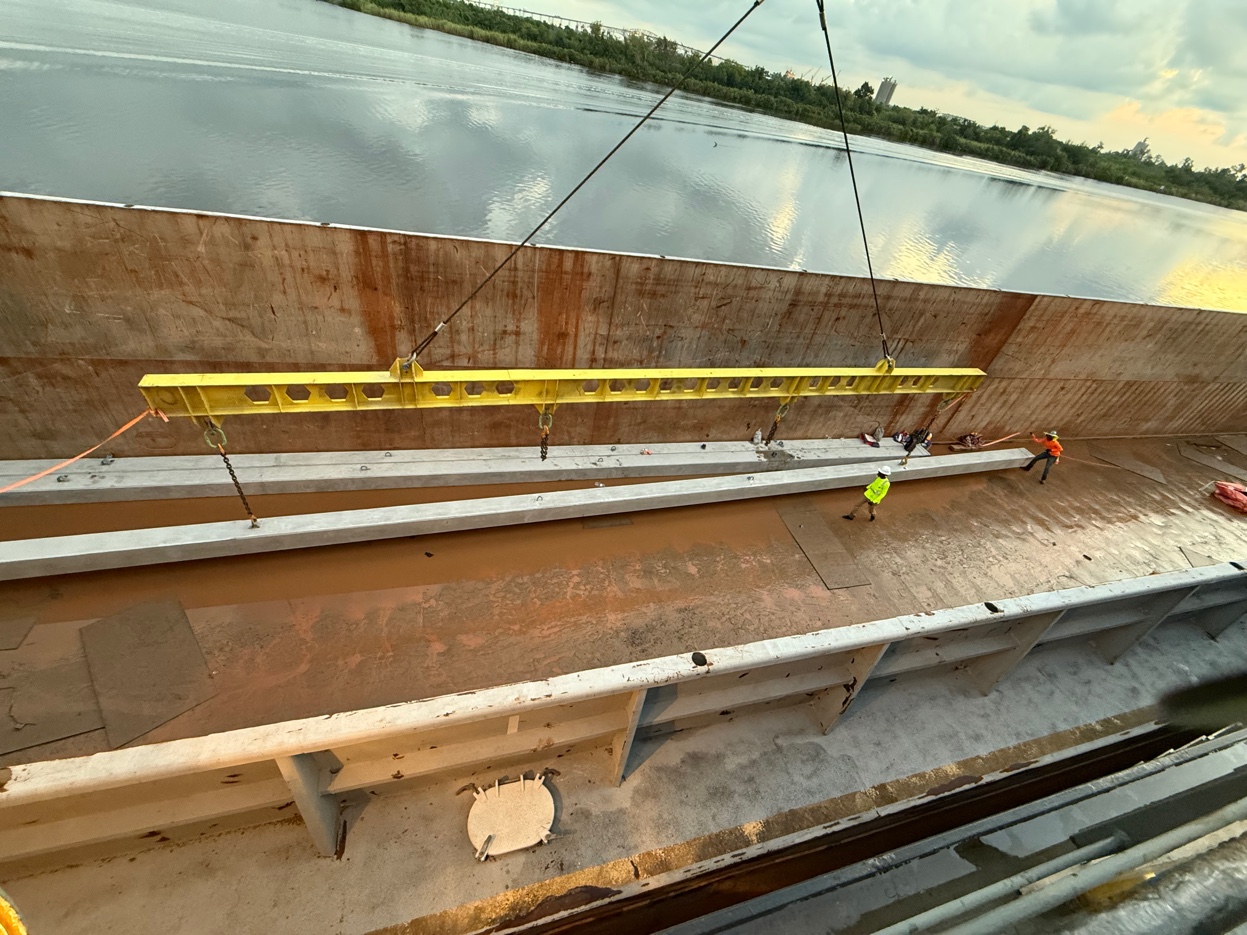
The estimate was 10 to 12 days. We were done in five.
— GCS Industrial Group OperationsThe Technology
What separated this operation wasn't just the skill of the crew — it was the visibility. GCS deployed Knomatic Software's real-time operational dashboards throughout the project, giving leadership a live window into every dimension of the discharge operation.
Knomatic Real-Time Dashboards — What Leadership Could See
For every hour of the MV Atlantic Runner II operation, GCS leadership had live access to the metrics that drive operational decisions — not reports from the previous shift, not end-of-day summaries. Live.
Live — Knomatic Operations Portal · MV Atlantic Runner II
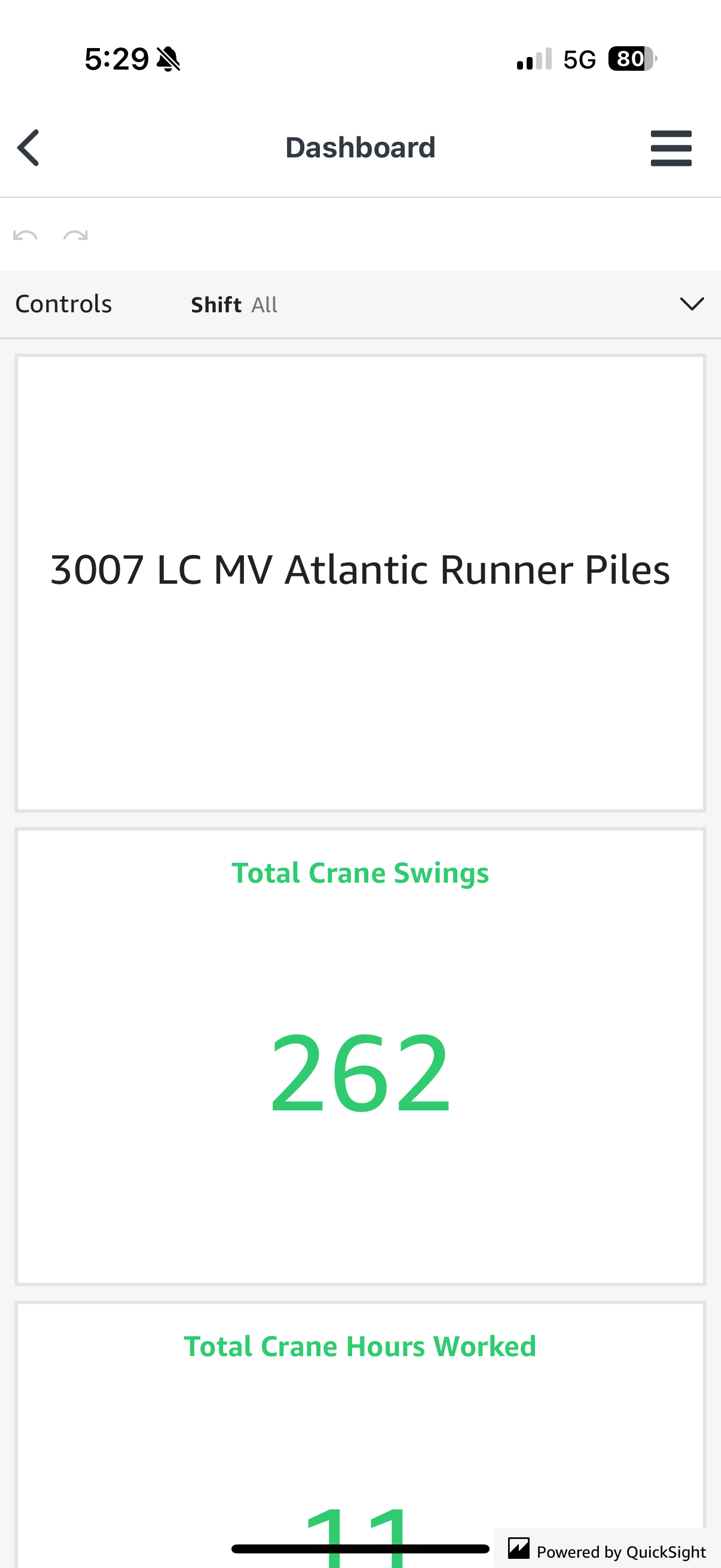
That real-time visibility wasn't just information — it was decision fuel. When a bottleneck appeared, leadership saw it immediately. When one part of the operation was outpacing another, crews could be redeployed in real time. When equipment needed adjustment, the call was made before an hour was lost.
This is the operational edge that data provides: not just knowing what happened, but knowing what's happening right now — and acting on it.
The Results
What GCS Delivered on MV Atlantic Runner II
- Completed full discharge in 5 days — against a 10–12 day estimate
- Best single shift: 263 piles + 966 bags — approximately 5,049 metric tons in one shift
- Best 24-hour period: nearly 8,000 metric tons discharged
- New internal GCS record set for piles moved per shift
- Zero reportable incidents across the entire operation
To put the 24-hour number in context: 8,000 metric tons in a single day is the kind of throughput that happens when every element of a port operation is firing in sync — experienced crews who've done this before, equipment positioned and ready, and data guiding every decision in real time.
The best single shift — 263 piles and 966 bags, totaling roughly 5,049 metric tons — became a new GCS internal record. It didn't happen by accident. It happened because leadership could see where the operation was running hot, and kept feeding that momentum.
What This Means
The MV Atlantic Runner II project was a proof of concept for a model GCS intends to replicate at every port it operates in: combine experienced, disciplined crews with real-time operational data, and you don't just meet the schedule — you beat it.
The GCS Formula
- Experienced crews who know the cargo and the craft — concrete piles require specific rigging knowledge and handling discipline that only comes with repetition
- Real-time data via Knomatic dashboards — crane swings, tons per hour, downtime, and crew utilization tracked live across every shift
- Operational decision-making driven by what's happening now, not what happened yesterday — re-deploying crews, adjusting equipment, eliminating bottlenecks as they form
- Leadership in the loop — not waiting for end-of-shift reports, but making calls in real time with real information
As GCS expands from its established Gulf Coast ports into Florida — Jacksonville, Tampa, and Port Manatee — the systems and culture that produced the MV Atlantic Runner II results are traveling with us. Every operation GCS touches gets the same commitment: experienced teams, technology-driven insight, and a relentless push to beat the estimate.
Huge thanks to the entire GCS crew at Lake Charles and to Knomatic Software for building the technology platform that made this milestone possible.