Sugar
Discharge Experts
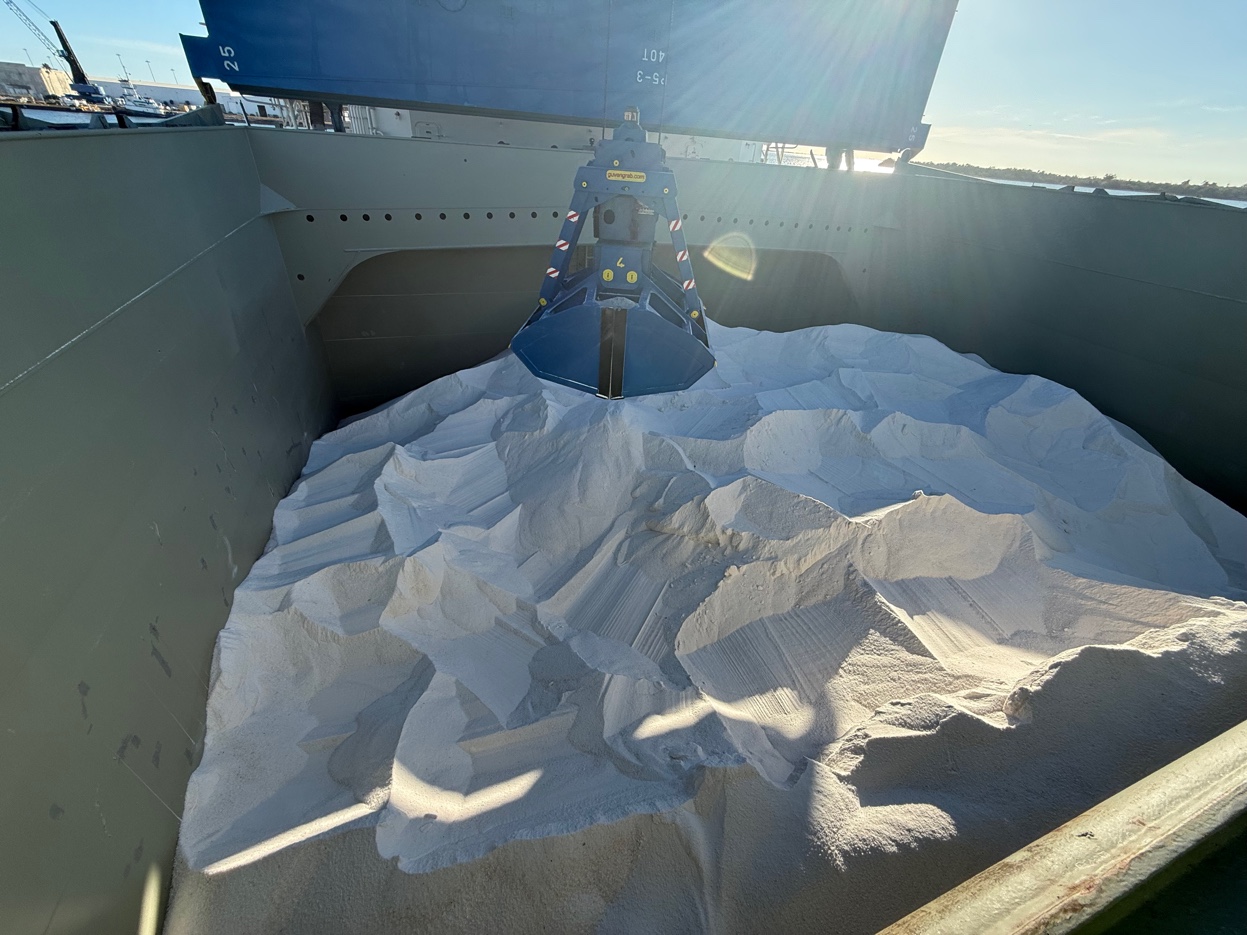
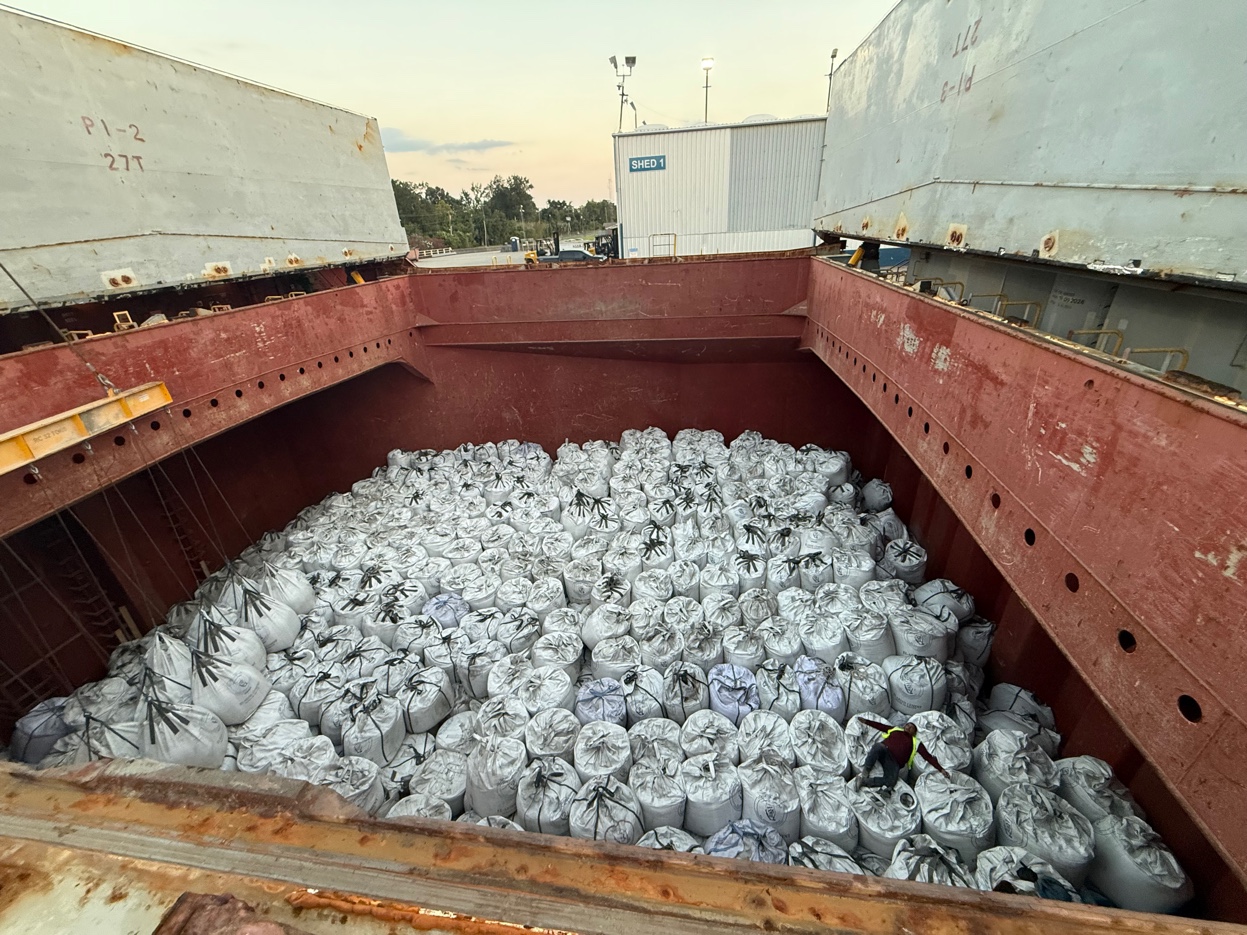
Sugar — one of the world's most traded bulk commodities — requires stevedoring with an understanding of food-grade handling requirements, moisture sensitivity, and the quality documentation that refinery and distributor clients demand. GCS Industrial Group handles bulk raw sugar and refined sugar products with the protocols and precision that food commodity clients require.
Raw cane sugar is hygroscopic — it absorbs moisture aggressively, and exposure to rain or humidity during discharge can cause caking, quality degradation, and weight discrepancies that affect client receiving. GCS's sugar operations include continuous weather monitoring, tarpaulin coverage during any weather events, and rapid closure protocols when conditions deteriorate.
Food-grade sugar handling also requires strict equipment cleanliness standards. Cross-contamination from previous cargoes — particularly chemicals, minerals, or other food-incompatible products — must be prevented. GCS maintains cleaning records and cargo history documentation to support client food safety requirements.
Bulk sugar operations at GCS are primarily served from Lake Charles and Burnside, both of which have established connections to Gulf Coast sugar refinery and distribution infrastructure. Complete Knomatic tonnage tracking provides lot-by-lot production records that support client quality assurance, customs documentation, and refinery receiving.